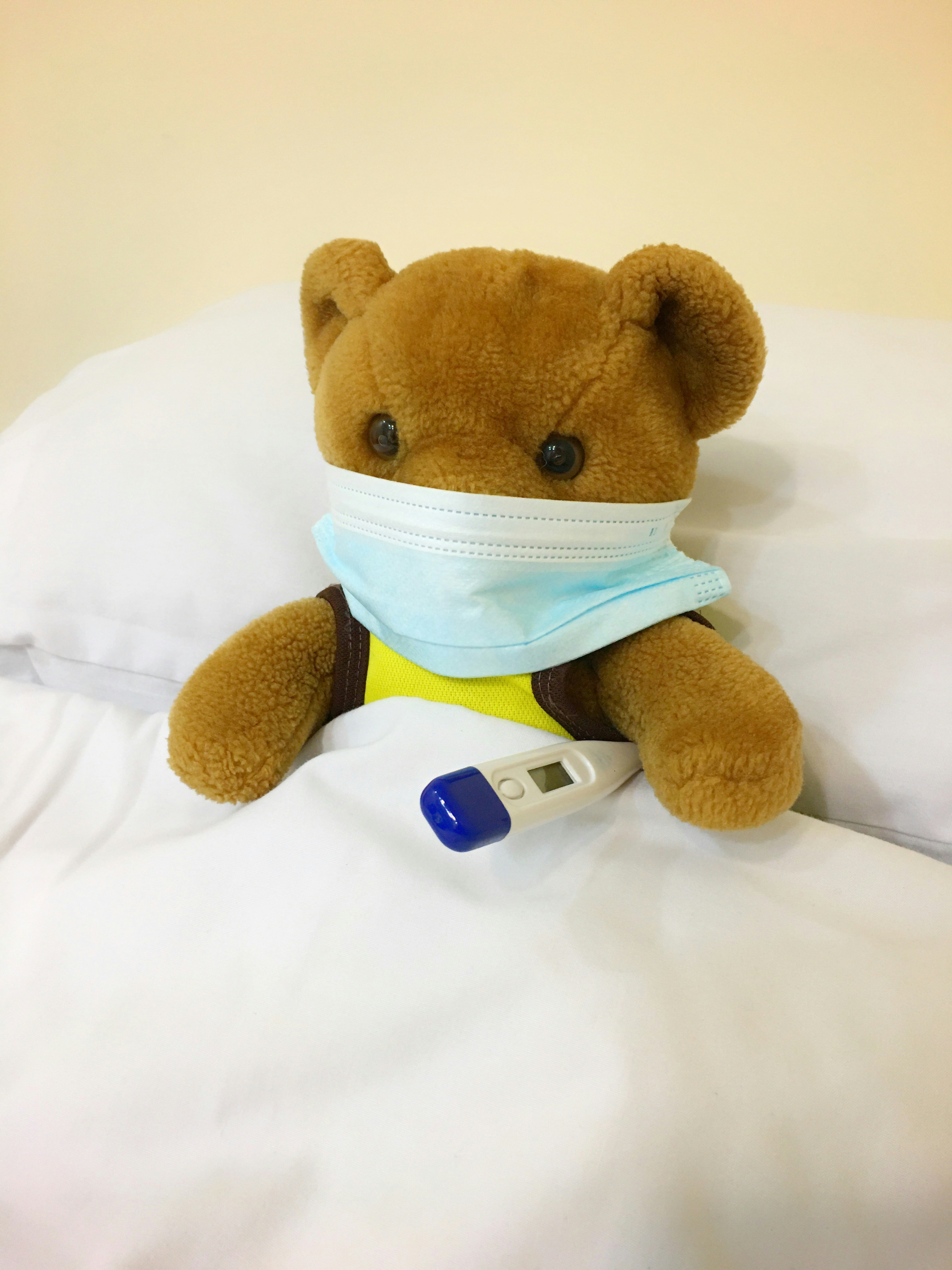
Sick Season Survival: What to Feed Preschoolers When Everyone Has a Cold
It’s cold and cough season — and that often means cranky preschoolers who’d rather nap than eat. As a parent, you want to support their recovery, but what’s “best” when appetites disappear? The good news: when little bodies are fighting a cold, the priority is hydration and comfort, not gourmet meals. Experts agree that offering gentle foods, frequent fluids, and low-stress eating helps both nutrition and mood during illness.
1. Gentle Foods That Are Easy to Eat
When kids are sick, simple, soft, comforting foods are often best. These options are typically easier to swallow and gentle on sensitive stomachs:
🌼 Mild, Easy to Digest Comforts
Warm chicken or broth-based soups: Soothing and hydrating, soups provide warmth, fluid, and mild nutrition.
Mashed potatoes or toast: Mild starches that are familiar and easy to eat.
Oatmeal: Warm, soft, and easily digestible — add banana or a little nut butter if toddler tolerates it.
Crackers or plain bread: Bland foods can settle an upset tummy.
Soft fruits (bananas, pears, applesauce): Gently sweet, hydrating, and rich in vitamins.
🍦 Cooling Options for Sore Throats
Smoothies or soft-serve popsicles made with yogurt and fruit can be both nourishing and soothing.
Yogurt with live cultures can support digestion and may help balance gut flora — especially helpful if antibiotics were involved.
2. Hydration: The #1 Priority
When appetites drop, hydration becomes the top goal. Being sick — especially with fever, runny nose, or congestion — increases fluid loss and can lead to dehydration if not managed.
💧 Best Fluids to Offer
Water — always safe and essential.
Broth and soup — doubles as hydration and nutrition.
Frozen fruit pops or ice chips — fun and hydrating.
Milk or milk alternatives (if tolerated).
Oral rehydration solutions (ORS) — if vomiting or diarrhea occur, pre-mixed options like Pedialyte are designed to restore electrolytes safely.
💡 Tip: You can let your preschooler sip fluids frequently in small amounts throughout the day — this is often more successful than trying to get them to finish a full cup all at once.
3. Low-Pressure Eating Tips During Illness
When preschoolers feel yucky, pressure to eat can backfire — leading to refusals or tantrums. Here’s how to support healthy intake without stress:
🧡 Let Appetite Lead
Experts say don’t force or bribe your child to eat. Instead:
Offer small portions often rather than large meals.
Let them choose from a few simple options.
If they want only crackers or fruit for a few days, that’s okay — appetite usually returns as they recover.
🎨 Make Foods Appealing
Use favorite cups or plates.
Try fun shapes, vibrant colors, or smoothies with straws.
Offer their favorites even if they’re not “perfectly healthy” — getting something in is what matters most.
4. Foods to Avoid When They’re Sick
While hydration and comfort are key, avoid:
Greasy, fried, or heavily spiced foods — tough on tiny digestive systems.
Sugary drinks and juices (especially high-sugar juices) — they can worsen diarrhea and displace more nourishing fluids.
Conclusion
Caring for a sick preschooler is as much about patience as it is about nutrition. Focus on hydration first, comforting gentle foods next, and low-pressure eating always. Your child’s appetite will likely ebb and flow, but as long as fluids are going in and they’re gaining rest, you’re doing the right things.
Remember: this phase is temporary. With plenty of cuddles, gentle nourishment, and frequent sips, your little one will be back to playing and eating normally before you know it!